
The Complete Earwig Guide for Oklahoma City & Edmond Homeowners | Axcel Pest Control
Written by Hobert Jiang, Owner of Axcel Pest Control
The Truth About Earwigs
Despite the name, earwigs do NOT crawl into your ears or burrow into your brain.
That’s an old myth that’s been around for centuries, but in reality, earwigs are simply nuisance pests that show up when conditions around your home are right.
What actually matters isn’t the myth, it’s why they’re in your home in the first place, and more importantly, why they keep coming back.
In Oklahoma, earwigs are extremely common during humid months, especially after rain. Most homeowners start noticing them in bathrooms, kitchens, garages, or along baseboards, usually at night.
And it usually starts the same way:
You see one… then a few more… and suddenly they’re everywhere.
Earwigs are not an indoor problem, they’re an outdoor problem that shows up inside.
Why You’re Seeing Earwigs in Your Home
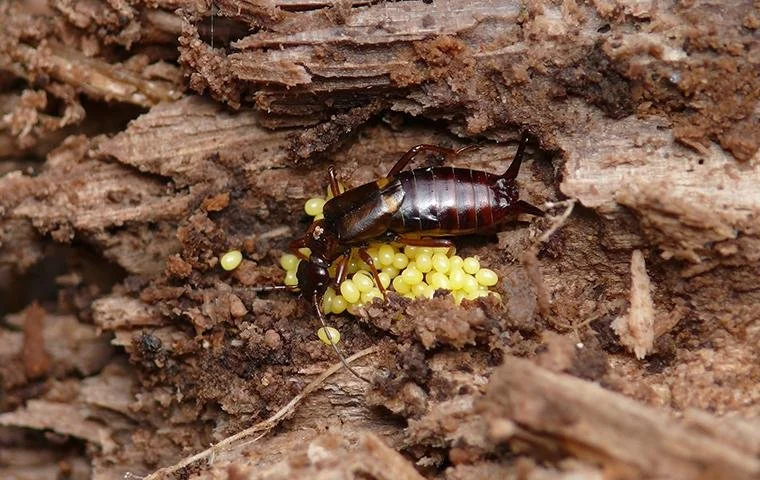
Earwigs thrive in moist, shaded environments.
Around homes in Oklahoma City and Edmond, the most common causes are:
Mulch beds holding moisture against the home
Leaf litter, grass clippings, or debris
Overwatered landscaping
Cracks and gaps around doors, windows, and foundation
Lights attracting insects (which earwigs feed on)
During the day, they hide in damp areas like:
Under rocks or wood
Inside mulch beds
Around foundations and siding
At night, they come out to hunt, and that’s when they end up inside your home.
If you’re seeing them indoors, it usually means there’s a larger population living outside your house.
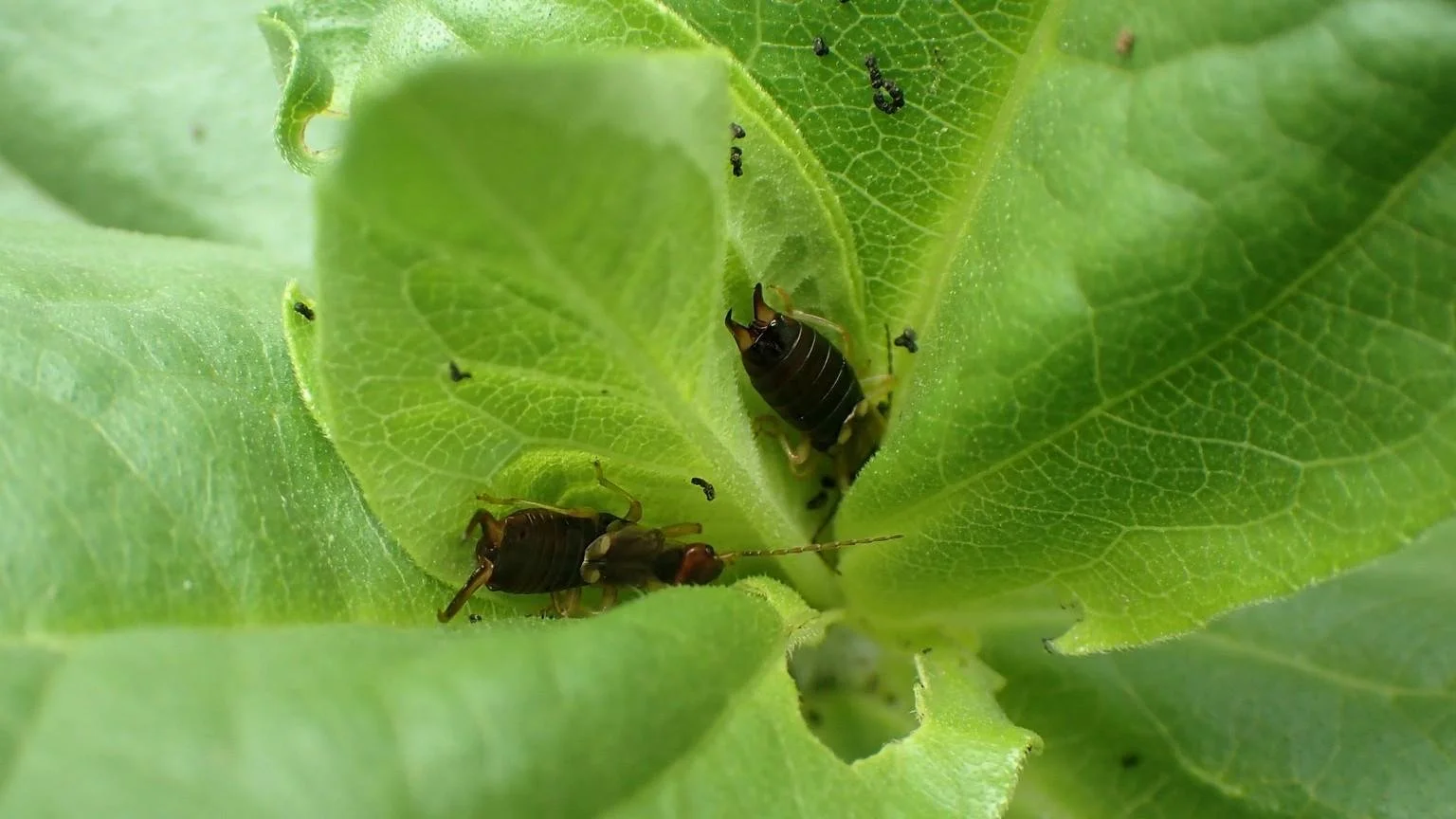
How to Identify Earwigs
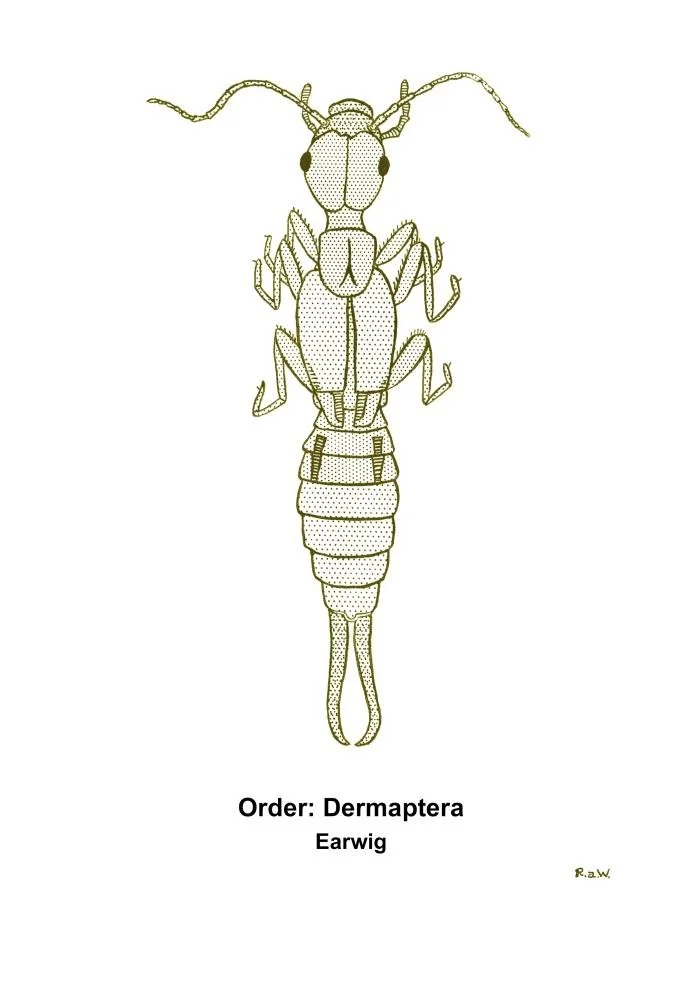
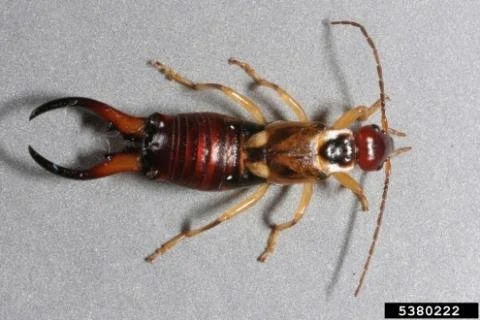
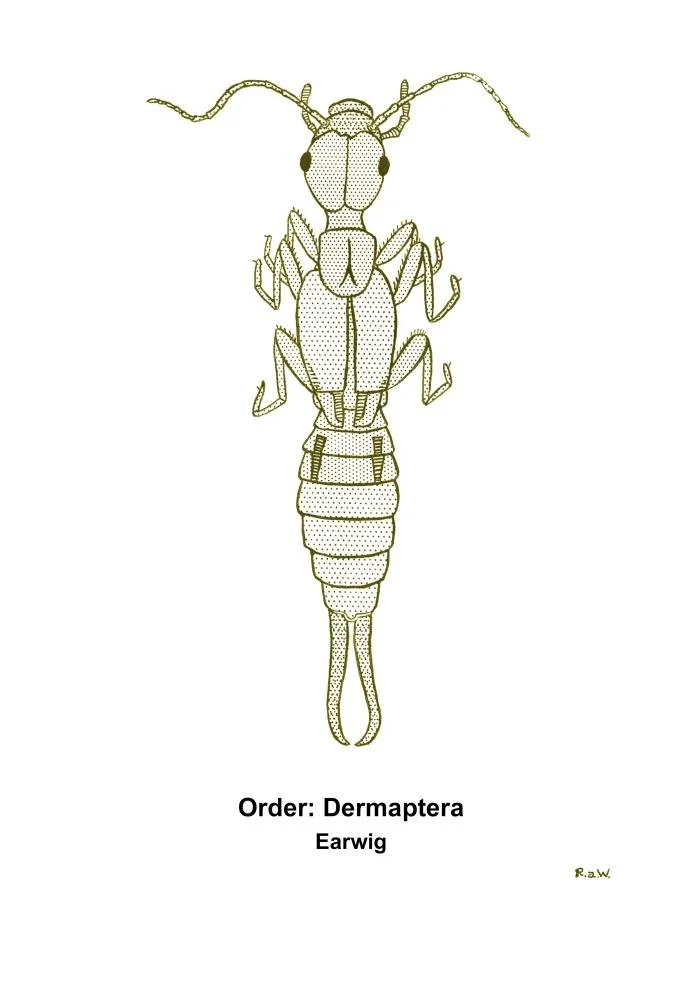
Earwigs are easy to recognize once you know what to look for:
Long, flat body (about ¼” to 1”)
Brown to dark reddish color
Pincher-like forceps on the back (cerci)
Fast-moving, mostly active at night
They’re often confused with:
Rove beetles (no pincers)
Small cockroaches (different body shape and movement)
Those pincers are the giveaway, no other common household pest in Oklahoma looks like that.
Do Earwigs Cause Damage?
For most homeowners, earwigs are more of a nuisance than a danger.
However:
They can damage plants, flowers, and garden vegetables
They may invade in large numbers (sometimes hundreds)
They produce an unpleasant odor when crushed
Some species can cause minor skin irritation, but they are not dangerous to humans.
Fun Fact: There are about 22 species of earwigs in the United States!
What You as a home owner can do to solve it
If you’re dealing with earwigs, focus on where they’re coming from, not just where you see them.
How to Find Entry Points Around Your Home
Earwigs crawl in from outside through small openings.
Check these areas:
Gaps around window and door seals
Cracks along the foundation
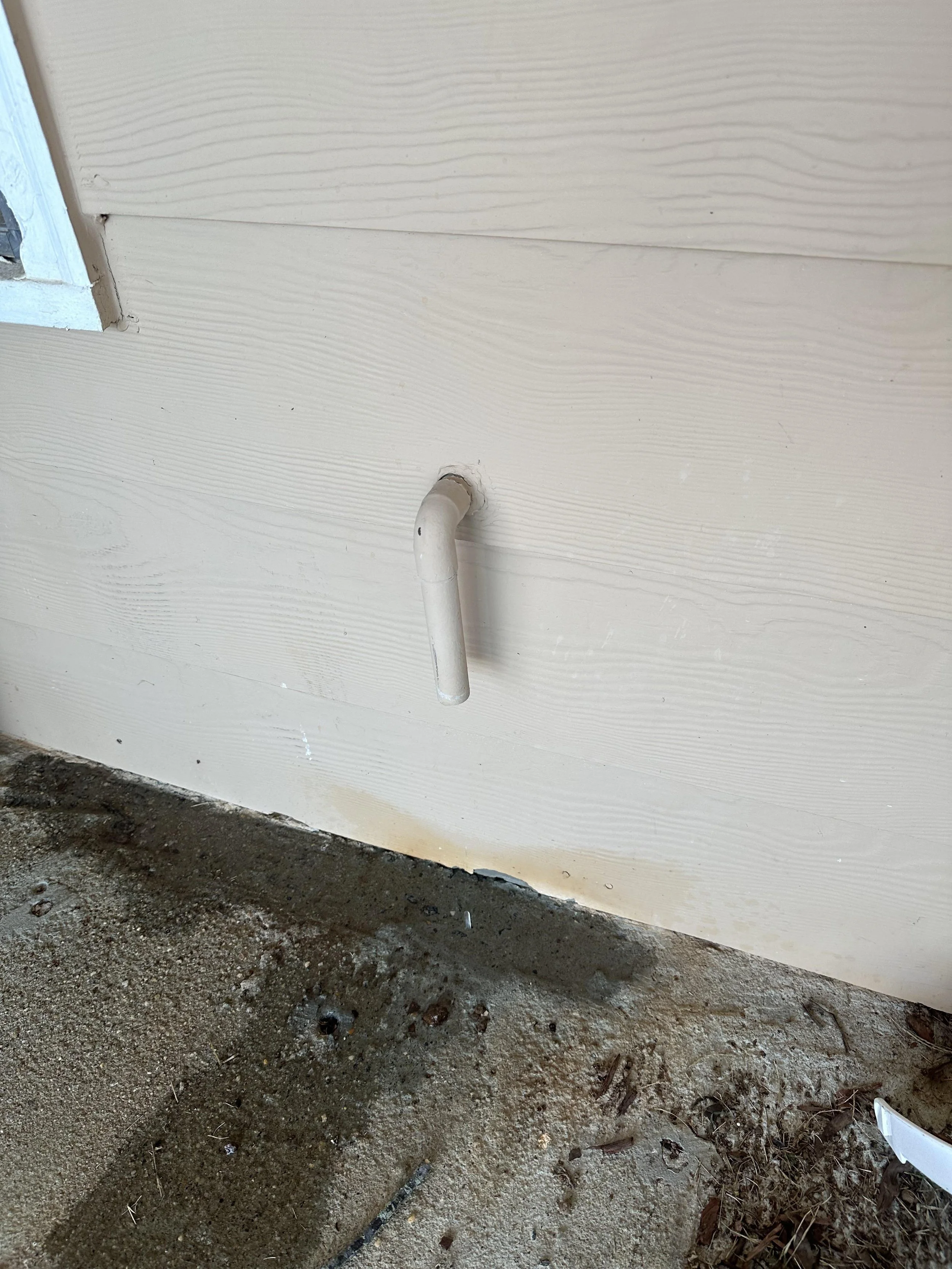
Openings where pipes and cables enter the home
Gaps under garage doors
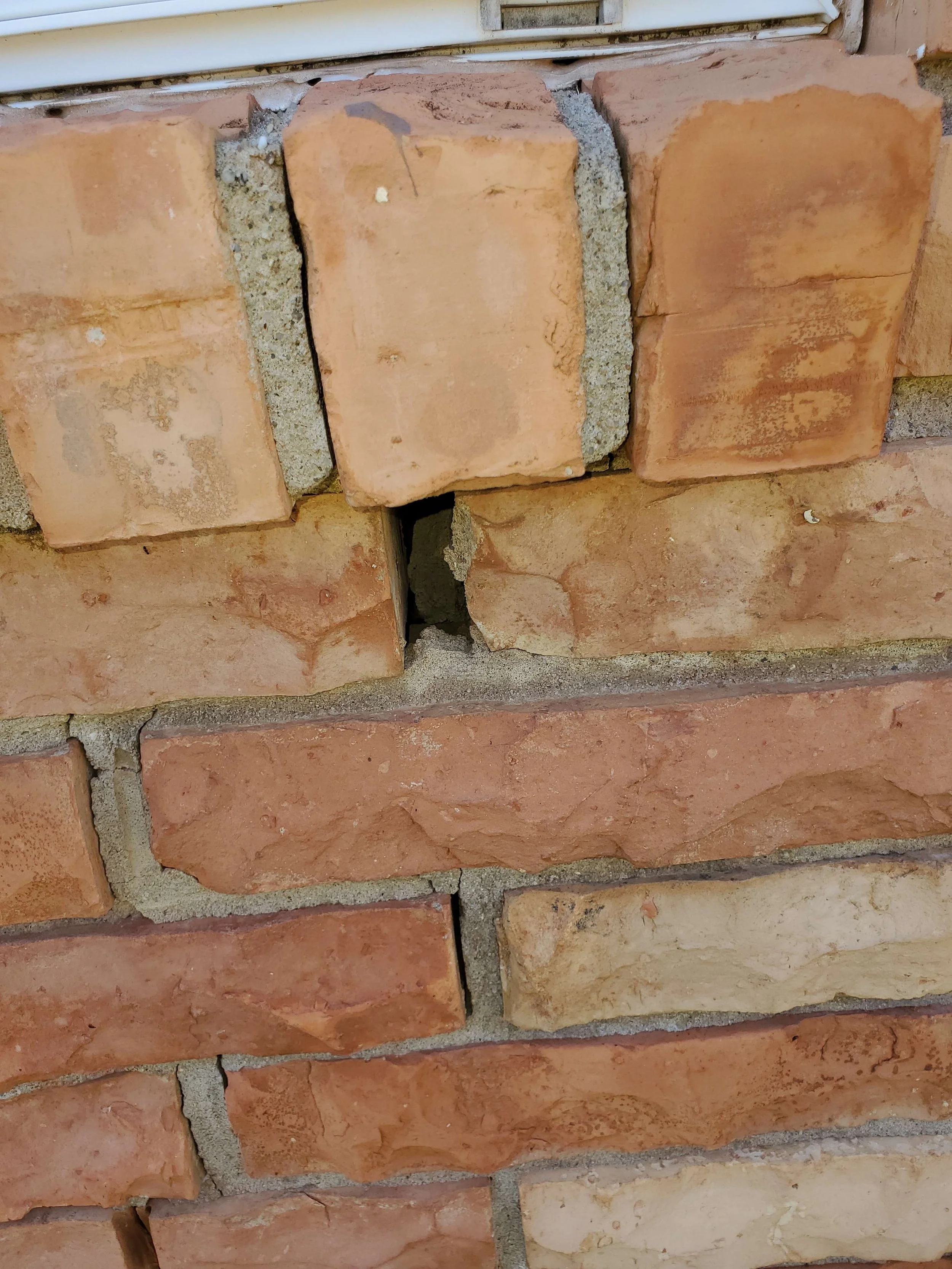
Weep holes (very common entry point)
Look for moist, shaded areas near these openings, that’s where earwigs gather before coming inside.
Sealing Entry Points the Right Way
Use caulk or weather stripping for standard gaps
⚠️ Do NOT caulk weep holes
Weep holes are designed to allow moisture to escape. Sealing them can lead to water damage and mold issues.
Instead:
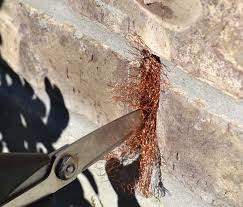
Use copper mesh to lightly fill the opening
This reduces pest entry while still allowing drainage
Sealing helps reduce entry, but won’t eliminate the problem if the outside population remains.
Reduce Moisture Around the Home
Earwigs depend on moisture to survive.
Focus on:
Avoid overwatering near the foundation
Improve drainage around the home
Allow soil and mulch to dry between watering
Fix leaking faucets or irrigation issues
This helps, but Oklahoma humidity makes full control difficult.
Remove Harborage Areas (Where They Hide)
Earwigs hide during the day in cool, damp areas:
Mulch beds against the home
Leaf piles and debris
Rocks, bricks, and borders
Wood piles (Consider moving away from your home)
To reduce activity:
Pull mulch away from the foundation
Clear out debris and clutter
Create a dry buffer zone around the home

Using Insecticides (DIY Treatment Options)
Homeowners can use insecticides labeled for earwigs.
Exterior treatment:
Use a repellent insecticide to create a barrier around the home
Apply along the foundation, entry points, and active areas
For areas where sunlight does not reach (under decks, shaded sides of the home, dense landscaping):
Use granular insecticides
Granulars:
Sit in the soil where earwigs hide
Last longer in shaded environments
Work well in moist conditions
Using Dusts for Gaps and Voids
Dust products can be used for tight spaces where liquids can’t reach.
Products like Delta Dust can be applied into:
Weep holes
Cracks and crevices
Structural gaps
Dusts provide:
Long-lasting protection
Better reach into hidden areas
Interior vs Exterior Treatment (Important)
Exterior: Repellent products work well
Interior: Avoid repellents
Repellents used indoors can push pests deeper into walls.
Instead:
Use a non-repellent product (such as Alpine WSG)
Always Follow the Label & Use Proper PPE
All pesticides must be used according to label instructions.
The label is the law.
This determines:
Where you can apply the product
How much to use
Required safety precautions
When applying pesticides:
Follow all label directions
Use proper personal protective equipment (PPE)
Improper use can reduce effectiveness and create safety risks for you and your family.
Why DIY Methods Often Don’t Fully Work
Most homeowners:
Only treat inside
Miss key entry points
Don’t treat the full exterior perimeter
Don’t fully eliminate moisture and hiding areas
Meanwhile, earwigs:
Live and reproduce outside
Hide in hard-to-reach areas
Continuously re-enter
That’s why the problem improves… then comes right back.
Professional Earwig Control (What Actually Works Long-Term)
Effective control focuses on the source, outside your home.
At Axcel Pest Control, we:
Apply exterior barrier treatments
Treat entry points, cracks, and structural gaps
Use targeted dust applications for long-term protection
Address moisture and harborage conditions
This creates a protective barrier that stops earwigs before they get inside.
What to Expect After Treatment
You may still see some earwigs after treatment.
This is normal.
They will:
Come into contact with the treatment
Slow down and die shortly after
However:
If you’re consistently seeing them, we come back and fix the issue.
Pest control is about control and prevention, not unrealistic guarantees.
When to Call a Professional
You should consider professional help if:
You’re seeing earwigs regularly inside
DIY methods aren’t working
The problem keeps returning after rain or weather changes
You’re dealing with large numbers
Need Help With Earwigs in Oklahoma City or Edmond?
By now, you’ve probably realized that getting rid of earwigs isn’t just about spraying something inside your home.
It involves:
Finding and sealing entry points
Managing moisture around the structure
Removing harborage areas
Choosing the right products (liquids, granulars, dusts)
Applying everything correctly and safely
And most importantly, treating the outside population, not just what you see inside.
Or… You Can Let Us Handle It
At Axcel Pest Control, we take care of all of this for you, properly and efficiently.
You don’t have to:
Figure out which products to use
Read through pesticide labels
Buy multiple treatments
Spend time applying everything yourself
We handle it all, so you don’t have to lift a finger.
What You Get With Axcel Pest Control
✔ No contracts
✔ Same technician every visit
✔ Interior & exterior treatment included
✔ Targeted treatment based on your home’s specific conditions
We’re not here to lock you into anything, we’re here to solve the problem the right way.
If you’ve tried handling it yourself and they keep coming back, we can take care of it quickly and get it under control.
Get your free quote today and let’s get it handled.